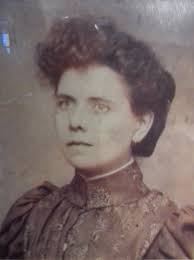
Born in Arklow, County Wicklow, in 1862, Kate Tyrrell was a pioneering sailor and businesswoman who challenged the conventions of her time. Kate’s love story with the sea began early.
Growing up in a family involved in the shipping trade, she developed a passion for the sea from an early age, spending countless hours in her father’s shipyard and learning every aspect of the family business. By the age of twelve, she was already helping with shipping records and bookkeeping.
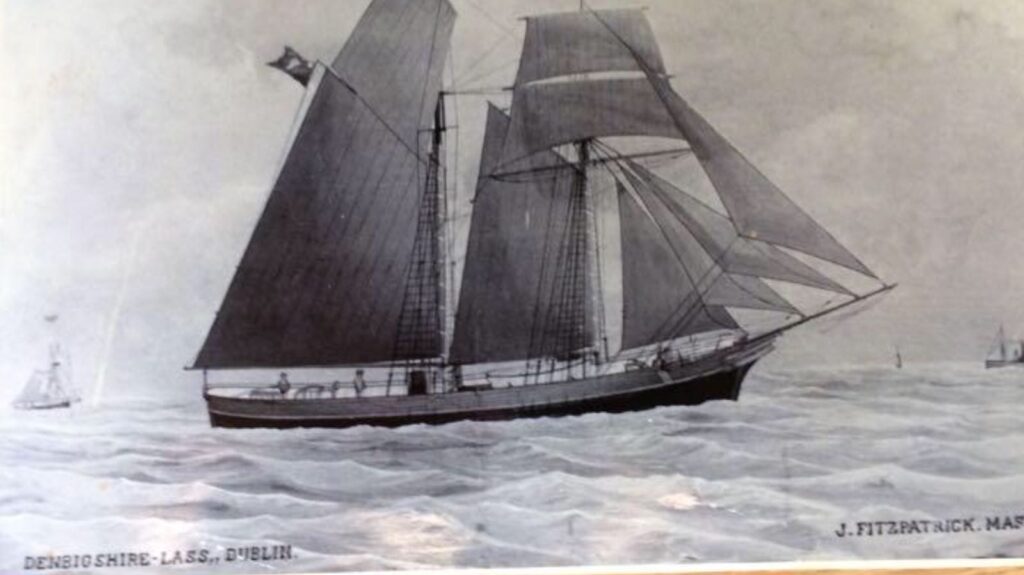
In 1885, her father bought a 62-ton Welsh schooner named the Denbighshire Lass. At just 22 years old, Kate proudly took the helm and sailed the ship home to Arklow.
Outsmarting the British Empire
The following year, after her father’s sudden death, she inherited the family shipping business. Although she successfully managed the company, captained the vessel, oversaw repairs, negotiated cargo contracts, and led her crew, the law prevented women from being officially recognised as a ship owner. Under British maritime law, women were legally invisible when it came to ship ownership and captaincy. The authorities flatly refused to put Kate’s name on the official paperwork.
Kate refused to back down. To keep her business moving, she used a clever loophole: she officially registered the captaincy under the name of a trusted male crew member.
On paper, he was the boss. On the water, Kate was the undisputed captain. Everyone in the Irish shipping industry knew it.
Determined to gain the recognition she deserved, Kate spent years campaigning to have her ownership officially acknowledged. In 1899, she finally succeeded, becoming one of the first women in Ireland to be legally recognised as the owner of a commercial sailing vessel.
A Fearless Captain in Dangerous Waters
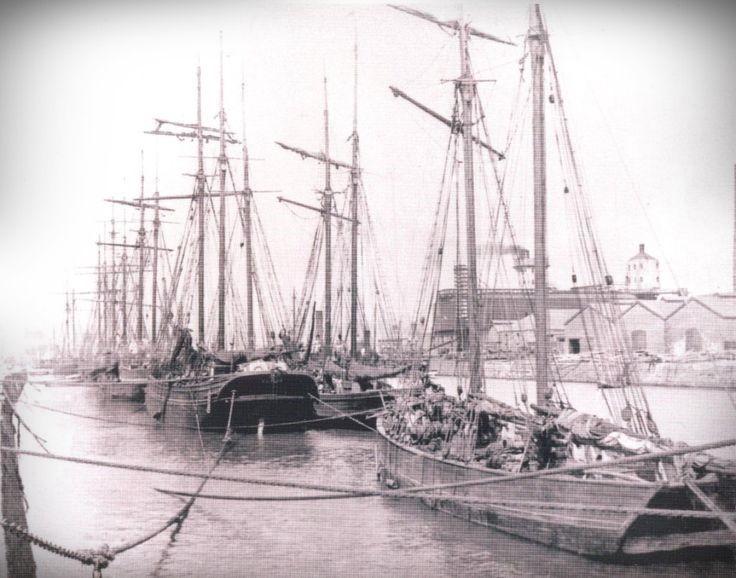
Kate was respected for her exceptional seamanship, strong leadership, and strict discipline aboard the Denbighshire Lass.
Her career at sea was filled with historic moments:
Flying the Flag: The Denbighshire Lass was famously the very first ship to fly the new Irish tricolour flag at a foreign port.
Surviving World War I: While many seasoned captains stayed in port, Kate continued to navigate the treacherous Irish Sea during the First World War, successfully steering her crew and cargo safely past deadly naval landmines.
A Rebel on Land
Kate didn’t just break rules at sea; she shattered social norms on land, too.
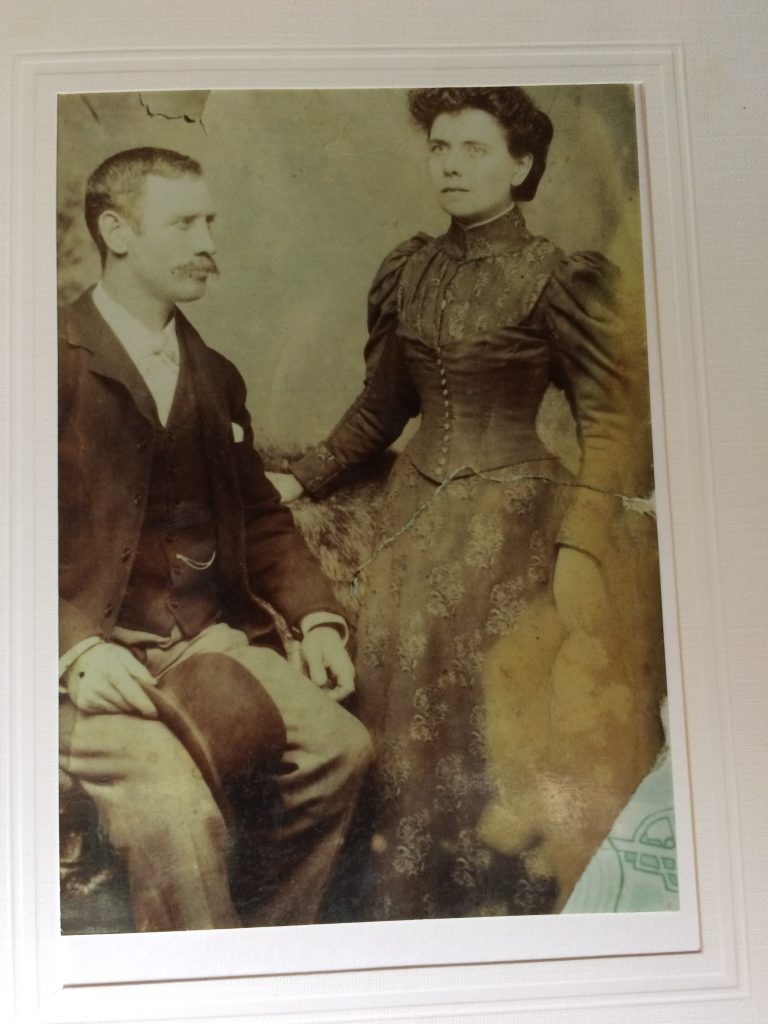
In 1895, she married John Fitzpatrick, a master mariner who sailed with her. Kate made the unusual decision to keep her own surname, reflecting her independence and professional identity.
The Legacy of the Lady Mariner
She died in 1921, but her remarkable achievements continue to be celebrated in Arklow and beyond.
Today, Kate Tyrrell is remembered as one of Wicklow’s greatest maritime pioneers, whose courage, determination, and leadership broke barriers for women in Irish shipping.
If you want to step into Kate’s world, a visit to the Arklow Maritime & Heritage Museum is an absolute must.